RiFAB fabric is produced using a traditional viscose yarn blended with cellulose fibers derived from pre- and post-consumer textile sources.
Features
Max comfort
Sustainable Origin
Breathable
Soft to the touch
Natural Fibers
If combined with other Natural Fibers
Recyclable
Biodegradable
Description
FROM THE FASHION RUNWAY TO THE HOME: A NEW LIFE
A “Red-Carpet” Bedroom
Viscose fabrics made from recycled cellulose: a journey toward responsible innovation
RiFAB fabric is produced using a traditional viscose yarn blended with cellulose fibers derived from pre- and post-consumer textile sources. By recovering cellulose fibers from discarded clothing, the recovered pulp can be spun to produce new fabrics.
This process supports the development of responsibly produced materials for bedding and home textiles.
Viscose and fabrics for mattresses: main features
Silky and shiny in appearance, it gives a feeling of softness and comfort on the skin.
Fabrics made from this fibre are breathable, absorbent and biodegradable.
The recycling of raw materials
The process of recovering cellulose from worn-out clothes involves breaking down natural fibres such as cotton into their basic element: cellulose. Cellulose is the main structural component of plant cell walls, and is the building block of fabrics such as cotton, linen and viscose.These fabrics, widely used in clothing, have a limited lifespan due to the easy wear and tear.
The extracted cellulose can be re-processed into useful yarn for use in mattress fabrics. This approach essentially gives a second life
to discarded fabrics, diverting them from landfills and reducing the demand for virgin resources.
The production process
1.
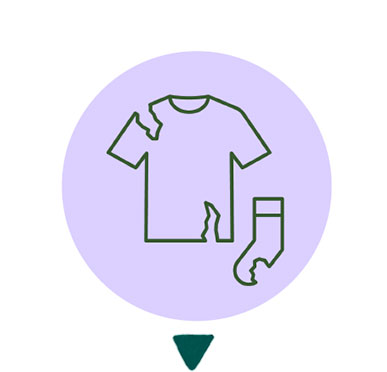
First, discarded cotton and viscose fabrics are collected, such as worn-out clothes that can no longer be
resold or used.
2.
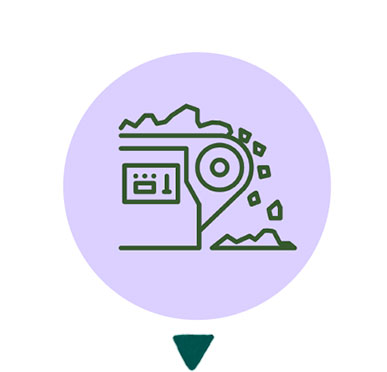
The clothes are shredded and cleaned of waste materials such as buttons, zippers, and dyes. Impurities such as plastic polyester are removed. What remains is a cellulose pulp made up of small fragments.
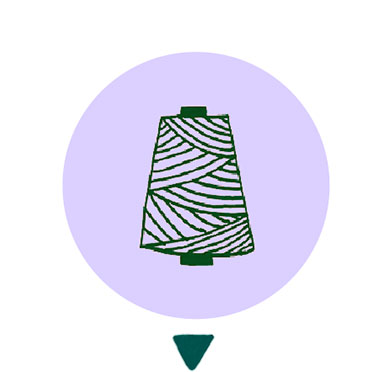
3. The cellulose pulp is dried to produce “sheets” that will be packed into bales and shipped for processing into textile fibers, which, when combined with traditional viscose, will result in a unique new blended yarn.
4. At STELLINI, the yarn is used to create RiFAB fabrics – ready for use: from mattress fabric to upholstery for upholstered furniture, tablecloths, and home textile accessories.
Cellulose Recovery: A Sustainable Triumph
The importance of using fabrics for mattresses made from recovered cellulose cannot be underestimated and entails certain advantages:
Green Awareness and Conscious Consumption The adoption of these innovative fabrics in mattresses raises awareness about sustainable textiles and encourages consumers to make eco- conscious choices when selecting products for their homes.
Conservation of Resources Creating new textiles from scratch requires extensive resources, from water and energy to raw materials. Using recovered cellulose reduces the need for these resources, thus reducing the environmental strain
Reduction of Textile Waste The textile industry is notorious for generating vast amounts of waste. By repurposing worn-out clothing, we minimize the amount of discarded textiles that would otherwise contribute to overflowing landfills.
Step by step…
Mattress fabrics made from recycled cellulose fibers represent a significant step toward eco-sustainable development in the textile industry. By choosing RiFAB, we not only help people enjoy a more comfortable night’s sleep, but we also contribute to a healthier planet for future generations.
Upgrade your brand with fully customisable mattresses and furniture components, made to measure for a unique, coordinated look. From fabrics to home accessories, every element can be customised to meet your brand’s specific needs.
Per fornire le migliori esperienze, utilizziamo tecnologie come i cookie per memorizzare e/o accedere alle informazioni del dispositivo. Il consenso a queste tecnologie ci permetterà di elaborare dati come il comportamento di navigazione o ID unici su questo sito. Non acconsentire o ritirare il consenso può influire negativamente su alcune caratteristiche e funzioni.
Funzionale
Always active
L'archiviazione tecnica o l'accesso sono strettamente necessari al fine legittimo di consentire l'uso di un servizio specifico esplicitamente richiesto dall'abbonato o dall'utente, o al solo scopo di effettuare la trasmissione di una comunicazione su una rete di comunicazione elettronica.
Preferenze
L'archiviazione tecnica o l'accesso sono necessari per lo scopo legittimo di memorizzare le preferenze che non sono richieste dall'abbonato o dall'utente.
Statistiche
L'archiviazione tecnica o l'accesso che viene utilizzato esclusivamente per scopi statistici.L'archiviazione tecnica o l'accesso che viene utilizzato esclusivamente per scopi statistici anonimi. Senza un mandato di comparizione, una conformità volontaria da parte del vostro Fornitore di Servizi Internet, o ulteriori registrazioni da parte di terzi, le informazioni memorizzate o recuperate per questo scopo da sole non possono di solito essere utilizzate per l'identificazione.
Marketing
L'archiviazione tecnica o l'accesso sono necessari per creare profili di utenti per inviare pubblicità, o per tracciare l'utente su un sito web o su diversi siti web per scopi di marketing simili.
Per fornire le migliori esperienze, utilizziamo tecnologie come i cookie per memorizzare e/o accedere alle informazioni del dispositivo. Il consenso a queste tecnologie ci permetterà di elaborare dati come il comportamento di navigazione o ID unici su questo sito. Non acconsentire o ritirare il consenso può influire negativamente su alcune caratteristiche e funzioni.
Funzionale
Always active
L'archiviazione tecnica o l'accesso sono strettamente necessari al fine legittimo di consentire l'uso di un servizio specifico esplicitamente richiesto dall'abbonato o dall'utente, o al solo scopo di effettuare la trasmissione di una comunicazione su una rete di comunicazione elettronica.
Preferenze
L'archiviazione tecnica o l'accesso sono necessari per lo scopo legittimo di memorizzare le preferenze che non sono richieste dall'abbonato o dall'utente.
Statistiche
L'archiviazione tecnica o l'accesso che viene utilizzato esclusivamente per scopi statistici.L'archiviazione tecnica o l'accesso che viene utilizzato esclusivamente per scopi statistici anonimi. Senza un mandato di comparizione, una conformità volontaria da parte del vostro Fornitore di Servizi Internet, o ulteriori registrazioni da parte di terzi, le informazioni memorizzate o recuperate per questo scopo da sole non possono di solito essere utilizzate per l'identificazione.
Marketing
L'archiviazione tecnica o l'accesso sono necessari per creare profili di utenti per inviare pubblicità, o per tracciare l'utente su un sito web o su diversi siti web per scopi di marketing simili.